Managed IT Services for Modern Businesses
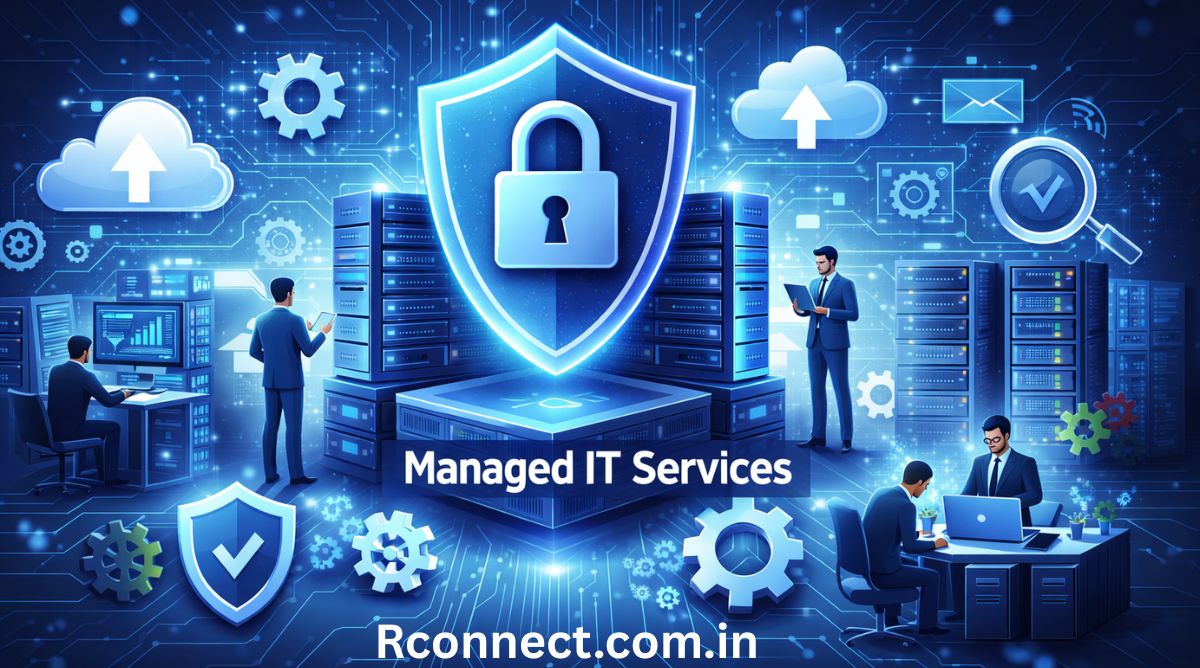
Managed IT services have become an essential part of modern business operations. As organizations increasingly rely on technology to perform daily tasks, manage data, communicate with customers, and run digital systems, maintaining reliable IT infrastructure has become more complex. Managed IT services help businesses handle this complexity by outsourcing the management, monitoring, and maintenance of their technology systems to specialized service providers.
These services allow organizations to focus on their core business activities while experienced professionals handle their IT operations. Instead of maintaining a large in-house IT department, companies can rely on managed service providers to ensure their systems remain secure, efficient, and up to date. Managed IT services are widely used by businesses of all sizes, from small startups to large enterprises, because they provide professional support, reduce operational risks, and improve overall technology performance.
The growing importance of digital transformation, cybersecurity, and cloud computing has made managed IT services an important solution for organizations seeking reliable and scalable technology management.
Understanding Managed IT Services
Managed IT services refer to the practice of outsourcing the responsibility for maintaining and managing an organization’s information technology systems to a third-party provider. These providers monitor and manage technology infrastructure, including servers, networks, storage systems, software applications, and security tools.
The service provider typically operates under a service agreement that defines the scope of services, performance standards, and response times. This structured approach ensures that businesses receive consistent and reliable support for their technology needs.
Managed IT services often include proactive monitoring, meaning that systems are continuously observed for potential issues or performance problems. If a problem is detected, technicians can address it quickly before it causes disruptions. This proactive approach helps prevent downtime and improves the reliability of business operations.
By relying on managed IT services, organizations gain access to experienced technology professionals who understand complex systems and can implement solutions that support business growth.
Importance of Managed IT Services
Technology plays a critical role in nearly every aspect of modern business operations. From internal communication systems to customer management platforms, organizations depend on digital infrastructure to remain productive and competitive. However, managing these systems requires specialized knowledge and constant attention.
Managed IT services provide businesses with reliable technical support and ongoing system maintenance. This support ensures that technology systems operate efficiently and remain protected against potential threats.
One of the most important advantages of managed IT services is improved reliability. Continuous monitoring allows service providers to detect and resolve issues before they affect business operations. This proactive approach reduces downtime and ensures that employees can work without interruptions.
Managed IT services also help organizations stay updated with technological advancements. Service providers regularly implement software updates, security patches, and system improvements that enhance performance and protect against vulnerabilities.
Core Components of Managed IT Services
Managed IT services include several key components that work together to support an organization’s technology environment. One of the primary components is infrastructure management. This involves monitoring and maintaining servers, networks, and hardware systems to ensure that they function properly.
Another important component is help desk support. Help desk teams provide assistance to employees who experience technical problems with their devices, applications, or network connections. Quick support helps maintain productivity and reduces frustration among staff members.
Data management is also a major aspect of managed IT services. Service providers implement backup systems and data recovery solutions that protect important information from loss or damage. Regular backups ensure that organizations can recover their data in case of hardware failure or cyber incidents.
Cybersecurity management is another essential component. Managed service providers deploy security tools such as firewalls, antivirus software, and intrusion detection systems to protect networks and data from cyber threats.
Network Management in Managed IT Services
Network management is a critical part of managed IT services because business operations depend heavily on stable and secure network connections. Managed service providers monitor network performance, detect potential issues, and ensure that communication systems function smoothly.
Network management includes monitoring bandwidth usage, optimizing traffic flow, and identifying potential bottlenecks that may affect performance. Service providers also configure routers, switches, and wireless access points to maintain reliable connectivity across the organization.
Another important aspect of network management is security. Networks are common targets for cyberattacks, making it essential to implement strong protective measures. Managed service providers monitor network activity to detect suspicious behavior and prevent unauthorized access.
By maintaining secure and efficient networks, managed IT services help organizations ensure uninterrupted communication and data transfer.
Cybersecurity and Managed IT Services
Cybersecurity has become one of the most critical concerns for modern organizations. Businesses store sensitive information such as customer records, financial data, and intellectual property in digital systems. Protecting this information from cyber threats is essential for maintaining trust and operational stability.
Managed IT services provide comprehensive cybersecurity solutions that protect organizations from various threats. Service providers implement security technologies such as encryption, firewalls, antivirus software, and multi-factor authentication systems.
Continuous monitoring is another important security practice. Managed service providers analyze network activity and system logs to detect unusual behavior that may indicate potential cyberattacks. Early detection allows technicians to respond quickly and prevent damage.
Security awareness training is often included in managed IT services. Employees are educated about safe online practices, phishing threats, and password security to reduce the risk of human-related security breaches.
Cloud Integration and Managed IT Services
Many organizations are adopting cloud technology to improve flexibility and scalability. Managed IT services often include cloud integration and management to help businesses use cloud platforms effectively.
Service providers assist with cloud migration, which involves transferring applications and data from local infrastructure to cloud environments. This process requires careful planning to ensure that systems continue to function smoothly during the transition.
Once the migration is complete, managed IT services include monitoring and maintaining cloud resources. Service providers ensure that cloud systems remain secure, optimized, and cost-efficient.
Cloud integration also allows employees to access applications and data from various locations, supporting remote work and collaboration. Managed IT services ensure that these cloud environments remain reliable and secure.
Benefits of Managed IT Services
Managed IT services offer numerous benefits that make them attractive to organizations across different industries. One major advantage is cost predictability. Instead of dealing with unexpected technology expenses, businesses typically pay a fixed monthly fee for managed services. This structure helps organizations plan their budgets more effectively.
Another benefit is access to specialized expertise. Managed service providers employ experienced professionals who stay updated with the latest technology trends and security practices. This expertise allows businesses to implement advanced solutions without maintaining a large internal IT team.
Managed IT services also improve operational efficiency. By outsourcing routine IT tasks such as monitoring, maintenance, and troubleshooting, organizations can focus more on strategic activities and business development.
Additionally, managed IT services help reduce downtime. Continuous monitoring and proactive maintenance ensure that systems remain stable and that potential issues are resolved quickly.
Industries That Use Managed IT Services
Many industries rely on managed IT services to support their technology environments. Healthcare organizations use managed services to maintain electronic health records systems, protect patient data, and ensure compliance with privacy regulations.
Financial institutions depend on managed IT services to secure transaction systems, monitor network activity, and protect sensitive financial data. Reliable technology management is essential for maintaining trust and operational stability in the financial sector.
Retail businesses use managed IT services to manage inventory systems, customer databases, and online sales platforms. These services ensure that digital systems remain available during peak shopping periods.
Educational institutions also rely on managed IT services to manage student information systems, digital learning platforms, and campus networks.
Manufacturing companies use managed IT services to monitor production systems, manage supply chains, and maintain communication networks across different facilities.
Challenges of Implementing Managed IT Services
While managed IT services provide many advantages, organizations may face certain challenges during implementation. One challenge is selecting the right service provider. Businesses must evaluate potential providers carefully to ensure they have the necessary expertise and resources to meet organizational needs.
Another challenge is integration with existing systems. Organizations often use multiple technology platforms that must work together smoothly. Proper planning and technical expertise are required to ensure successful integration.
Communication between the organization and the managed service provider is also important. Clear communication ensures that service expectations are understood and that issues are addressed promptly.
Organizations must also establish security policies and access controls to ensure that external service providers handle sensitive information responsibly.
Future of Managed IT Services
The future of managed IT services will be influenced by ongoing technological advancements. Artificial intelligence and automation technologies are expected to play a significant role in improving system monitoring and issue resolution. Automated systems can analyze network activity and identify potential problems more quickly than traditional monitoring methods.
Another important trend is the increasing adoption of cloud technology. As more organizations move their systems to cloud environments, managed IT service providers will focus on cloud management, optimization, and security.
Cybersecurity will also remain a major focus area. As cyber threats continue to evolve, managed IT services will incorporate advanced security tools and threat detection systems to protect digital environments.
Data analytics and performance monitoring tools will allow service providers to deliver deeper insights into system performance and help organizations make better technology decisions.
Conclusion
Managed IT services provide organizations with reliable and professional support for their technology environments. By outsourcing IT management to experienced service providers, businesses can ensure that their systems remain secure, efficient, and up to date.
These services include infrastructure management, network monitoring, cybersecurity protection, data backup, and cloud integration. Through proactive maintenance and continuous monitoring, managed IT services reduce downtime, improve performance, and protect valuable digital assets.
As technology continues to evolve and become more complex, the demand for managed IT services will continue to grow. Organizations that adopt these services gain access to specialized expertise, improve operational efficiency, and create a strong technological foundation that supports long-term growth and success in the digital age.