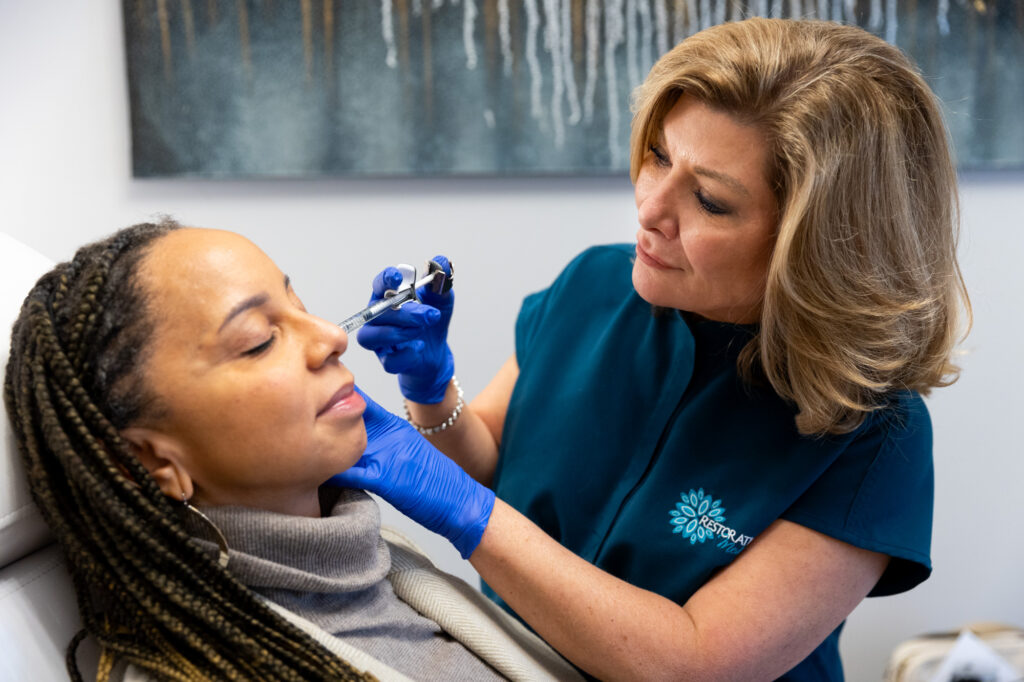
How Cosmetic Medicine Helps Restore Facial Balance
Facial balance is one of the most important elements behind an attractive and youthful appearance. When facial features such as the cheeks, chin, jawline, lips, and forehead work in harmony, the face naturally looks more proportionate and appealing. However, aging, genetics, and environmental factors can gradually disrupt this balance. Volume loss, sagging skin, and uneven muscle activity may cause the face to appear tired or asymmetrical. Modern aesthetic treatments available at a professional cosmetic clinic perth focus on restoring this harmony through subtle non-surgical procedures that enhance natural facial proportions rather than dramatically changing appearance.
Understanding Facial Balance in Aesthetic Medicine
Facial balance refers to the proportional relationship between different areas of the face. In aesthetic medicine, practitioners study how each feature interacts with the others rather than focusing on a single wrinkle or line.
The face is commonly divided into vertical thirds and horizontal segments to understand whether certain features dominate or appear underdeveloped. When one area lacks volume or structure, it can make surrounding features look disproportionate. Cosmetic treatments aim to correct these imbalances by restoring structure, improving contours, and creating a smoother transition between facial features.
Why Facial Balance Changes Over Time
Facial harmony does not remain constant throughout life. Several biological changes affect the structure of the face as a person ages.
Loss of Facial Volume
Fat pads beneath the skin provide natural support and contour to the face. Over time, these fat pads shrink and shift downward, particularly in the cheeks and temples. This volume loss can cause hollow areas and create shadows that make the face appear older.
Collagen Reduction and Skin Laxity
Collagen is responsible for skin strength and elasticity. As collagen production slows with age, skin becomes thinner and less firm. The cheeks may begin to droop slightly and the jawline can lose definition, which disrupts facial balance.
Muscle Movement and Expression Lines
Facial expressions are controlled by dozens of muscles that contract thousands of times every day. Repeated movement gradually creates lines around the eyes, forehead, and mouth. When some muscles become stronger than others, they can also contribute to asymmetry.
Lifestyle and Environmental Factors
Sun exposure, smoking, dehydration, and stress can accelerate structural aging in the face. These external factors affect collagen levels and skin quality, which can make facial imbalance more noticeable.
The Modern Approach to Facial Rejuvenation
Earlier cosmetic procedures often focused only on treating visible wrinkles. Today, aesthetic medicine takes a more comprehensive approach that looks at the entire face.
Rather than treating isolated areas, practitioners consider how improvements in one feature affect the rest of the face. For example, restoring cheek volume can subtly lift the lower face and soften nasolabial folds. Similarly, defining the chin can make the nose and lips appear more proportionate.
This full-face approach helps create results that appear natural and balanced rather than artificial.
Dermal Fillers and Structural Balance
Dermal fillers are one of the most commonly used tools in cosmetic medicine for restoring facial harmony. These injectable treatments add volume beneath the skin and help reshape facial contours.
Restoring Volume in the Midface
The cheeks form the structural foundation of the face. When volume is restored in this area, it supports surrounding tissues and creates a gentle lifting effect. Fuller cheeks can soften shadows under the eyes and improve the transition between facial regions.
Enhancing the Chin and Jawline
A well-defined chin and jawline contribute significantly to facial proportions. If the chin is recessed, the lower face may appear unbalanced. Fillers can subtly project the chin forward and create a smoother jawline contour.
Improving Lip Proportion
Lip fillers are often used to balance the upper and lower lips rather than simply increasing size. Small adjustments in shape and volume can create a more proportional appearance that complements other facial features.
Neuromodulators and Muscle Harmony
Neuromodulators such as Botox help restore balance by relaxing targeted facial muscles. Instead of adding volume, these treatments control muscle activity that contributes to wrinkles or asymmetry.
Softening Dynamic Wrinkles
Expression lines appear when muscles repeatedly contract during facial movement. Neuromodulators temporarily relax these muscles, which reduces the depth of wrinkles and allows the skin to appear smoother.
Correcting Minor Asymmetry
Sometimes one side of the face is more active than the other. Strategic muscle relaxation can reduce this imbalance and create a more symmetrical appearance.
Contouring the Lower Face
Neuromodulators can also be used in the jaw muscles. When these muscles are overly strong, they can create a square jaw shape. Relaxing them gradually softens the lower face and improves facial proportion.
Skin Quality and Facial Harmony
While structural treatments improve facial shape, skin quality also plays an important role in facial balance. Uneven texture, pigmentation, and dullness can make facial features appear less refined.
Professional skincare perth treatments focus on improving the health and appearance of the skin. Procedures such as microneedling, chemical resurfacing, and collagen-stimulating therapies help refine texture and brighten the complexion.
When the skin surface becomes smoother and more radiant, facial features appear more defined and balanced.
Personalised Treatment Planning
Every individual has unique facial features and structural differences. For this reason, cosmetic medicine relies on personalised treatment planning rather than standardized procedures.
During consultation, practitioners study facial proportions, skin condition, and areas where volume or muscle activity may be affecting balance. Treatments are then selected based on these findings.
A patient may receive a combination of dermal fillers for structure, neuromodulators for muscle relaxation, and skin treatments to improve texture. Combining procedures often produces more harmonious and long-lasting results.
The Importance of Subtle Enhancements
The goal of modern cosmetic medicine is not dramatic transformation. Instead, treatments are designed to restore what has gradually changed over time.
Small adjustments can significantly improve facial harmony while maintaining natural expressions and individuality. When performed correctly, results appear refreshed rather than obvious.
Many people choose cosmetic treatments because they want to look rested and youthful without altering their natural identity.
Conclusion
Facial balance is influenced by many factors, including volume distribution, muscle activity, skin quality, and overall facial structure. As these elements change with age, the face may gradually lose its natural harmony. Cosmetic medicine provides a range of non-surgical treatments that address these structural changes through subtle and carefully planned enhancements.
By combining dermal fillers, neuromodulators, and advanced skin therapies, practitioners can refine facial contours and restore proportion. When performed by experienced professionals at a trusted cosmetic clinic in Perth, these treatments help individuals regain a naturally balanced appearance while preserving their unique facial features.
FAQs
1. What is facial balancing in cosmetic medicine?
Facial balancing is an aesthetic approach that improves harmony between facial features. Practitioners use treatments such as dermal fillers and neuromodulators to adjust proportions between areas like the cheeks, chin, jawline, and lips.
2. Which cosmetic treatments are commonly used for facial balance?
Dermal fillers and neuromodulators are the most commonly used treatments. Fillers restore lost volume and refine facial contours, while neuromodulators relax specific muscles to soften wrinkles and improve symmetry across the face.
3. Can cosmetic medicine improve an uneven jawline or chin?
Yes, non-surgical treatments can improve an uneven jawline or recessed chin. Dermal fillers are often used to add subtle projection and structure, which helps create better proportion between the lower face and other facial features.
4. How quickly can facial balancing results be seen?
Some improvements appear immediately after dermal filler treatments because volume is restored instantly. Neuromodulators usually take several days to begin working, with final results becoming visible within one to two weeks.
5. Are facial balancing treatments permanent?
Most cosmetic treatments are temporary because the body gradually breaks down injectable products. Dermal fillers usually last twelve to eighteen months, while neuromodulators generally require maintenance treatments every three to four months.
6. Do facial balancing treatments look natural?
When performed by experienced practitioners, results appear subtle and natural. The goal is not to change facial identity but to restore proportion, smooth transitions between features, and create a refreshed appearance.
7. Is there downtime after facial balancing treatments?
Most procedures involve minimal downtime. Mild swelling, redness, or slight bruising may occur for a short period, but many people return to daily activities on the same day after treatment.
8. Can cosmetic medicine help aging skin as well as facial structure?
Yes, many treatments improve both structure and skin quality. Procedures such as microneedling, skin resurfacing, and collagen-stimulating therapies help refine texture, brighten skin tone, and support a healthier appearance.