IT Solutions Provider: Comprehensive Technology Solutions for Modern Businesses
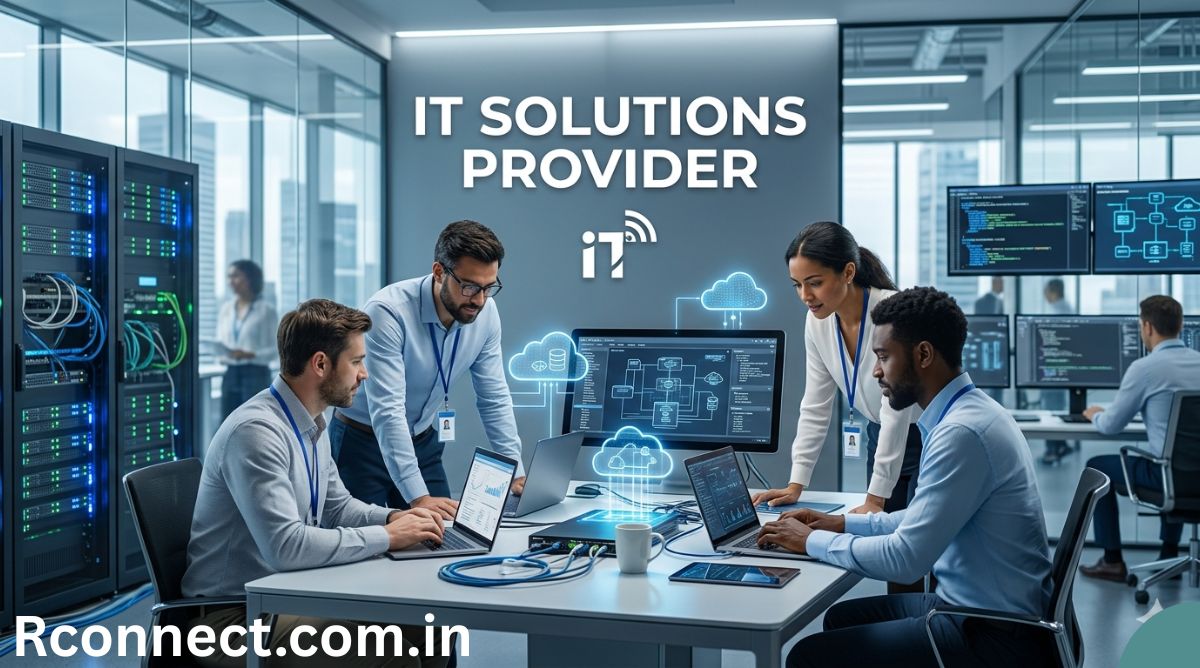
An IT solutions provider is a company or organization that delivers technology services, software solutions, and digital infrastructure support to businesses and institutions. In today’s digital world, organizations rely heavily on information technology to manage operations, communicate with customers, store data, and improve productivity. An IT solutions provider helps businesses implement and manage the technology they need to function efficiently and remain competitive in a fast-changing digital environment.
Technology has become an essential component of almost every industry, including healthcare, education, finance, retail, manufacturing, and logistics. Because of this growing dependence on digital tools, many companies seek the expertise of professional IT solutions providers to design, implement, and maintain their technological systems. These providers deliver customized solutions that address the unique needs and challenges of each organization.
Role of an IT Solutions Provider
The primary role of an IT solutions provider is to help businesses leverage technology to achieve their operational and strategic goals. This involves analyzing an organization’s existing technology infrastructure, identifying gaps or inefficiencies, and recommending appropriate solutions. The provider may design new systems, integrate existing platforms, and ensure that all technologies function smoothly together.
IT solutions providers often act as technology partners for businesses. Instead of simply selling software or hardware, they offer comprehensive services that include consultation, implementation, maintenance, and ongoing support. This approach ensures that organizations can focus on their core operations while leaving technical challenges to experienced professionals.
By providing specialized expertise, IT solutions providers help businesses adopt innovative technologies, improve system performance, and enhance security. They also help organizations remain updated with the latest industry trends and technological advancements.
Core Services Offered by IT Solutions Providers
An IT solutions provider typically offers a wide range of services designed to support different aspects of business technology. One of the most common services is IT consulting. This involves evaluating the organization’s current technology environment and recommending improvements that align with business objectives. Consultants help businesses develop technology strategies that improve efficiency and reduce costs.
Another major service is software development. Many businesses require customized software solutions tailored to their specific needs. IT solutions providers design and develop applications that support business processes such as inventory management, customer relationship management, financial reporting, and data analysis.
Network infrastructure management is another important area of service. IT professionals design and maintain networks that allow computers, servers, and devices to communicate securely and efficiently. This includes setting up routers, switches, firewalls, and wireless networks that support reliable connectivity within an organization.
Cloud computing services are also commonly offered. Many businesses are transitioning from traditional on-premises systems to cloud-based platforms. IT solutions providers assist with cloud migration, configuration, and management, allowing organizations to store data securely and access systems remotely.
Importance of Cybersecurity Services
Cybersecurity has become a critical concern for organizations that rely on digital systems. An IT solutions provider plays an important role in protecting sensitive data and preventing unauthorized access to networks and applications. Security experts implement protective measures such as encryption, firewalls, intrusion detection systems, and regular security audits.
Cyber threats such as malware, ransomware, and phishing attacks can cause serious financial and reputational damage. IT solutions providers monitor networks continuously to detect suspicious activity and respond quickly to potential threats. By implementing strong security practices, businesses can maintain the trust of their customers and partners.
In addition to technical security measures, IT providers often educate employees about safe digital practices. Training programs help staff members recognize potential cyber risks and follow guidelines that reduce the likelihood of security incidents.
Cloud Computing and Digital Infrastructure
Cloud computing has transformed the way organizations store and access data. Instead of maintaining physical servers on site, businesses can use cloud platforms to store information and run applications over the internet. An IT solutions provider helps organizations adopt cloud technology in a way that is secure, scalable, and cost-effective.
Cloud services allow businesses to access their systems from anywhere with an internet connection. This flexibility supports remote work, collaboration between teams, and global operations. IT providers assist with selecting the right cloud platform, migrating data from legacy systems, and managing ongoing cloud operations.
Digital infrastructure management is another critical responsibility. This includes monitoring servers, maintaining databases, optimizing system performance, and ensuring that applications run smoothly. Reliable digital infrastructure ensures that business operations continue without interruptions.
Custom Software and Application Development
Every organization has unique operational requirements, and standard software solutions may not always meet those needs. An IT solutions provider develops custom software that addresses specific business challenges.
Custom applications can automate repetitive tasks, manage customer data, analyze business performance, and streamline internal processes. Software developers work closely with business stakeholders to understand their goals and create applications that improve productivity and efficiency.
Mobile application development is also a significant part of IT solutions services. Businesses increasingly rely on mobile apps to interact with customers, provide services, and enhance user engagement. IT professionals design applications that are compatible with different devices and operating systems while ensuring strong security and user-friendly interfaces.
Managed IT Services
Managed IT services are another important offering from an IT solutions provider. Instead of maintaining an internal IT department, many businesses choose to outsource their technology management to specialized service providers.
Managed services include monitoring networks, performing system updates, managing backups, and providing technical support. IT professionals monitor systems continuously to detect potential issues before they cause disruptions. This proactive approach ensures that business operations remain stable and efficient.
Managed services also help organizations control costs because they pay for only the services they need. This model allows businesses to access high-level technical expertise without the expense of hiring and training a large internal IT team.
Benefits of Working with an IT Solutions Provider
Partnering with an IT solutions provider offers several advantages for businesses of all sizes. One of the most important benefits is access to specialized expertise. Technology evolves rapidly, and IT professionals stay updated with the latest trends, tools, and best practices. This knowledge helps organizations implement modern solutions effectively.
Another major benefit is improved efficiency. By automating processes and optimizing systems, IT solutions providers help businesses reduce manual work and streamline operations. This allows employees to focus on strategic tasks rather than routine technical activities.
Cost efficiency is another advantage. Instead of investing heavily in infrastructure and technical staff, businesses can rely on external providers to deliver services at predictable costs. This approach allows companies to allocate resources more effectively and focus on growth.
Industries That Use IT Solutions Providers
Organizations in many industries depend on IT solutions providers to manage their digital systems. In healthcare, technology companies develop electronic health records, telemedicine platforms, and medical data management systems that improve patient care and operational efficiency.
Financial institutions rely on secure IT systems to manage transactions, detect fraud, and protect sensitive customer data. IT providers help banks and financial organizations implement advanced security measures and digital banking platforms.
Retail companies use IT solutions to manage inventory, track sales, and operate online stores. E-commerce platforms, payment gateways, and customer analytics tools help retailers expand their reach and improve customer experiences.
Manufacturing industries benefit from IT solutions that support automation, production monitoring, and supply chain management. These technologies help manufacturers increase efficiency and reduce operational costs.
Future Trends in IT Solutions
The field of IT solutions continues to evolve as new technologies emerge. Artificial intelligence and machine learning are becoming increasingly important for analyzing data and automating decision-making processes. IT solutions providers are integrating these technologies into business systems to improve efficiency and accuracy.
The Internet of Things is another rapidly growing area. Connected devices and sensors allow organizations to collect real-time data and monitor equipment remotely. This technology is widely used in industries such as manufacturing, logistics, and smart infrastructure management.
Blockchain technology is also gaining attention for its ability to provide secure and transparent digital transactions. IT providers are exploring its potential in areas such as financial services, supply chain management, and digital identity verification.
As these technologies continue to develop, IT solutions providers will play a crucial role in helping organizations adopt and integrate them effectively.
Choosing the Right IT Solutions Provider
Selecting the right IT solutions provider is an important decision for any organization. Businesses should evaluate the provider’s experience, technical expertise, and range of services before forming a partnership.
It is also important to consider the provider’s ability to understand the organization’s industry and operational requirements. A reliable IT partner should offer customized solutions rather than generic services.
Strong communication and ongoing support are also essential factors. An effective IT solutions provider maintains regular communication with clients, monitors system performance, and responds quickly to technical issues. This ensures that businesses receive consistent and reliable technology support.
Conclusion
An IT solutions provider plays a vital role in helping organizations manage technology, improve efficiency, and adopt innovative digital tools. By offering services such as IT consulting, software development, cybersecurity, cloud computing, and managed services, these providers enable businesses to operate effectively in a technology-driven world.
As industries continue to embrace digital transformation, the demand for professional IT solutions providers will continue to grow. Organizations that partner with experienced technology providers can benefit from improved productivity, enhanced security, and access to advanced technological capabilities that support long-term success.